Local life · Oakville, Ontario
Published
Oakville Harbour’s visitor had a fish and very little interest in being a landmark
An observer reported a North American river otter at Oakville Harbour’s mouth, surfacing with a fish. Identification was not independently assessed. River otters are native to Ontario and use lakes as well as rivers; enjoy sightings from a distance without feeding or approaching wildlife.
Facts checked
In this story
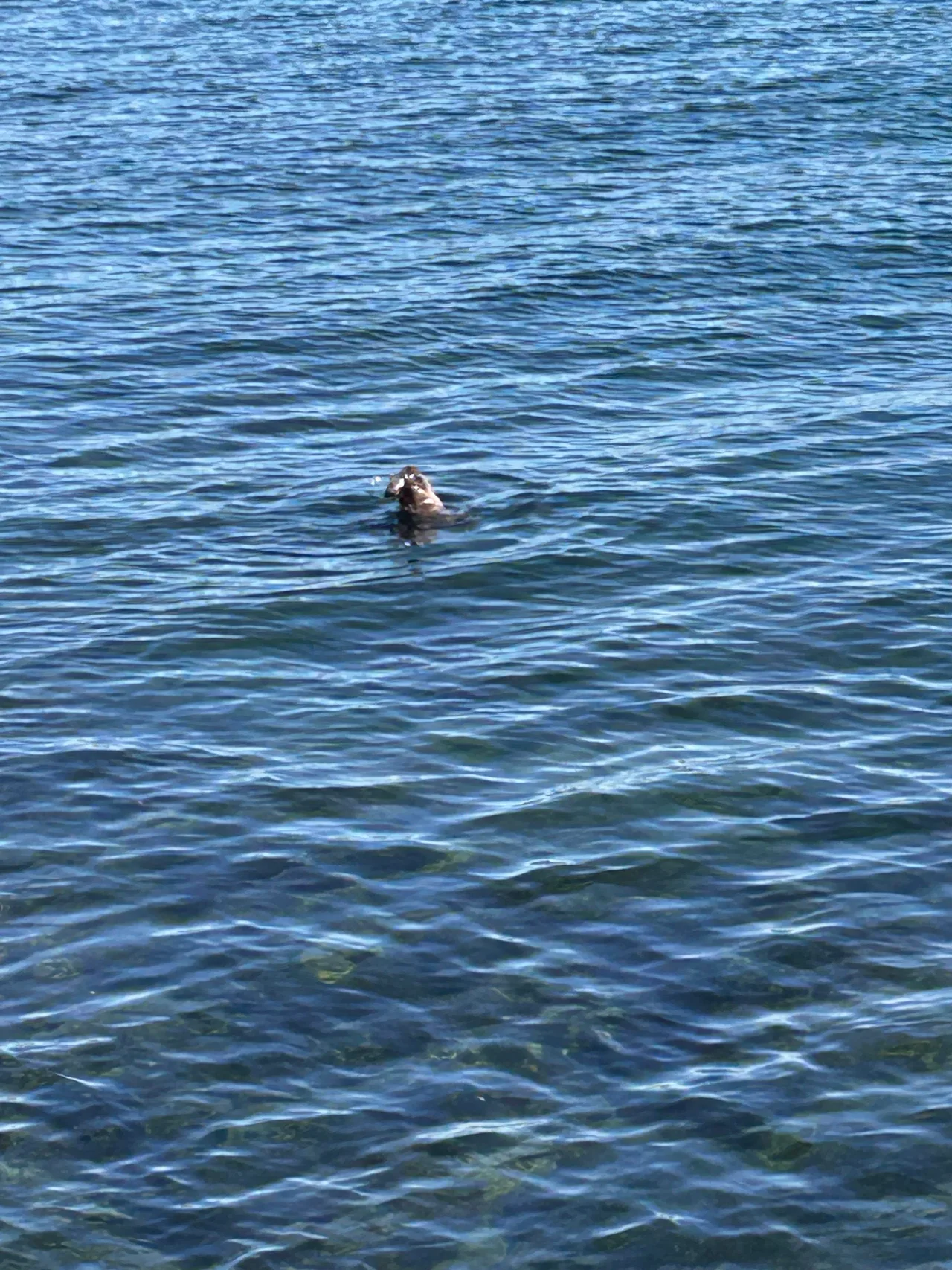
First a rear end, then brunch
The observer first saw an animal disappearing, then a head reappearing with a fish. After years sailing around Oakville, they were surprised enough to share the encounter. The animal, meanwhile, appeared to have arranged the meal without consulting the visitor economy.
The first label was lake otter, later corrected by the author to North American river otter. They had considered mink before judging it too large and watching it eat. No wildlife specialist independently confirmed the photographs, so that identification remains theirs.
Other local contributors recalled docks and waterfront sightings; some had never seen one. A small unexpected encounter had made a familiar harbour interesting again.
Source: October harbour sighting and replies
The river otter has not read the lake objection
Despite the common name, North American river otters use lakes and wetlands as well as rivers. Toronto Zoo describes them as native to Ontario, with webbed feet, a powerful tail and a streamlined body suited to water.
They can remain submerged for several minutes, with dives up to eight minutes described by the zoo. This is not an animal obliged to stay above water while a visitor finds the correct camera setting.
Source: Toronto Zoo: river otter behaviour and Ontario range, June 2026
A welcome sight is not a population survey
The observer wondered about a comeback after historical trapping. That is a hopeful thought, but one sighting establishes neither a measured recovery nor harbour water quality. Otters can indicate healthy freshwater systems; testing and population records answer questions an attractive animal cannot settle alone.
More photographs, more people noticing and more animals are different things. Keep a date and broad location if recording an encounter, without directing a crowd to where an animal rests.
There is room to be delighted without appointing one fish-eating visitor as the harbour’s environmental auditor.
Source: October harbour sighting and replies
Source: Toronto Zoo: river otter behaviour and Ontario range, June 2026
Source: July 2024: be mindful of wildlife
Let the fish remain its own business
Oakville asks people not to feed, approach or touch wildlife. Watch from public space, stop dogs chasing and let an animal leave. Throwing food to prolong the view turns an encounter into interference.
Feeding restrictions cover public and private land, with exceptions such as properly managed songbird feeders. For sick, injured or orphaned wildlife, the town directs callers to the humane society at 905-845-1551. An unfamiliar but healthy animal swimming and eating does not need rescue.
The best souvenir may be the moment it disappeared again, free to continue an afternoon that was not organized for us.
Source: Oakville: living with wildlife and injured-animal contact
Source: Oakville: wildlife feeding restrictions
Source: October harbour sighting and replies
Questions people ask
Can river otters live around Lake Ontario?
Yes. River otters use lakes as well as rivers and wetlands.
Source: Toronto Zoo: river otter behaviour and Ontario range, June 2026
Are North American river otters native to Ontario?
Yes. Toronto Zoo identifies North American river otters as native to Ontario.
Source: Toronto Zoo: river otter behaviour and Ontario range, June 2026
What adaptations help river otters swim?
Toronto Zoo describes webbed feet, a strong tail and a streamlined body that help river otters move through water.
Source: Toronto Zoo: river otter behaviour and Ontario range, June 2026
Is there a guaranteed otter-viewing spot at Oakville Harbour?
No. Wildlife moves and a sighting is not an appointment.
Source: October harbour sighting and replies
Should I feed an otter to bring it closer?
No. Oakville asks people not to feed or approach wildlife.
Source: Oakville: living with wildlife and injured-animal contact
Can I touch a wild otter?
Do not approach or touch wild animals.
Source: Oakville: living with wildlife and injured-animal contact
Who should I call for injured wildlife in Oakville?
For sick, injured or orphaned wildlife, Oakville directs callers to the humane society at 905-845-1551.
Source: Oakville: living with wildlife and injured-animal contact
Can river otters remain underwater for several minutes?
Yes. The Toronto Zoo describes dives of up to eight minutes.
Source: Toronto Zoo: river otter behaviour and Ontario range, June 2026
Does one otter sighting tell me the harbour is safe for swimming?
No. Wildlife observation does not replace water-quality testing or posted swimming advice.
Source: Toronto Zoo: river otter behaviour and Ontario range, June 2026
Does Oakville’s wildlife feeding ban cover private property?
Yes, with stated exceptions such as properly maintained songbird feeders.
Something changed? Tell us about a correction.